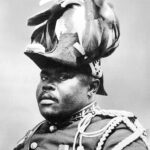
Marcus Garvey (1887–1940)
Jamaican Pan-African leader and Black nationalist. He awakened global Black consciousness, preached self-determination, and placed Africa at the spiritual and political center of Black liberation worldwide.
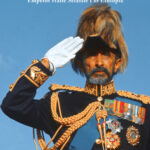
Haile Selassie I (1892–1975)
Emperor of Ethiopia and Pan-African statesman. A symbol of African sovereignty, he defended independence, inspired continental unity, and helped birth Africa’s collective diplomatic voice.
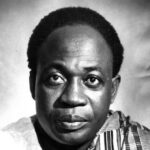
Kwame Nkrumah (1909–1972)
Ghana’s first President and Pan-African theorist. He championed African unity, warning that Africa’s political freedom meant nothing without economic independence and continental solidarity.
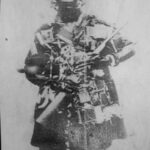
Yaa Asantewaa (1840–1921)
Queen Mother of Ejisu in the Ashanti Empire. A fearless anti-colonial warrior who led armed resistance, symbolizing African women’s leadership, courage, and uncompromising defense of sovereignty.
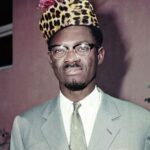
Patrice Lumumba (1925–1961)
First Prime Minister of the Democratic Republic of Congo. A martyr of African independence whose vision of dignity and self-rule exposed the true cost of neocolonial interference.
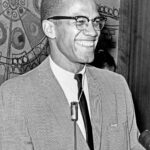
Malcolm X (1925–1965)
African-American revolutionary and human rights activist. He globalized the Black struggle, linking African-American liberation to Africa and reframing it as a human rights issue.
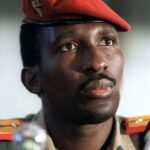
Thomas Sankara (1949–1987)
Revolutionary President of Burkina Faso. Africa’s symbol of integrity and self-reliance, he rejected imperialism and proved that principled, people-first leadership was possible.

Bob Marley (1945–1981)
amaican musician and global cultural icon. Through music, he carried Africa’s pain and hope worldwide, spreading Pan-African consciousness and reminding the oppressed of their power.
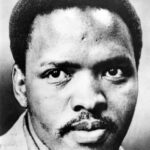
Steve Biko (1946–1977)
South African anti-apartheid activist and youth leader. Founder of Black Consciousness, he taught that mental liberation is the first step toward political and physical freedom.
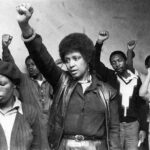
Winnie Mandela (1936–2018)
South African freedom fighter and activist. The unbreakable backbone of resistance, she carried the struggle through repression, symbolizing African women’s resilience and sacrifice.

John Garang (1945–2005)
South Sudanese revolutionary and visionary leader. He believed Africa’s diversity should unite rather than divide, advocating justice, equality, and inclusive nationhood.